


Getting through the UK’s healthcare system, especially the wait to see a doctor, can test your patience in ways that feel ancient and epic https://luckypharaohcasino.com/. We all recognize the dedication of the NHS, but the experience of waiting rooms and booking delays is something most of us know all too well. In contrast, in a completely different corner of entertainment, the pursuit of thrills takes a far more thrilling shape with the Lucky Pharaoh Slot. This online game exploits that emotion of waiting and reward, transforming the idea of a “queue” into a surge of spinning reels and possible jackpots. This is a light-hearted look at two distinct worlds: the essential hassle of medical scheduling and the chosen excitement of slot gaming. It illustrates how people in Britain today manage their health and their free time, managing required patience with the search for something instantly engaging when they clock off.
The Psychology of the Line vs. The Mindset of the Spin
On a psychological level, anticipating a doctor and trying a slot game work on completely different principles. The medical wait is commonly a trigger of stress. It brings a loss of control, health worries, and a impression of wasted time. It creates a passive, anxious form of anticipation where the outcome is unknown and could be bad. The Lucky Pharaoh Slot, on the other hand, uses a concept called variable-ratio reinforcement. This is the same psychological trigger that makes scrolling through social media so compelling. The player realizes a win could hit on any spin, but the exact moment is unforeseeable. This forms a powerful pattern of expectation and payoff. The game provides you a sense of agency (you decide when to spin) and offers instant reaction, which is rewarding by itself. One queue addresses the grave, unavoidable parts of life. The other provides a managed, voluntary space where risk is limited to enjoyment, and the “treatment” is a shot of thrilling fun. The game’s sounds and visuals, festive jingles for wins and flashy animations, give positive feedback that you just don’t get in a healthcare waiting process. This basic difference in emotional design accounts for why one activity can feel drained and the other can seem energising, even though both require waiting for a result.
Narrative and Storytelling: An Ancient Egyptian Escape
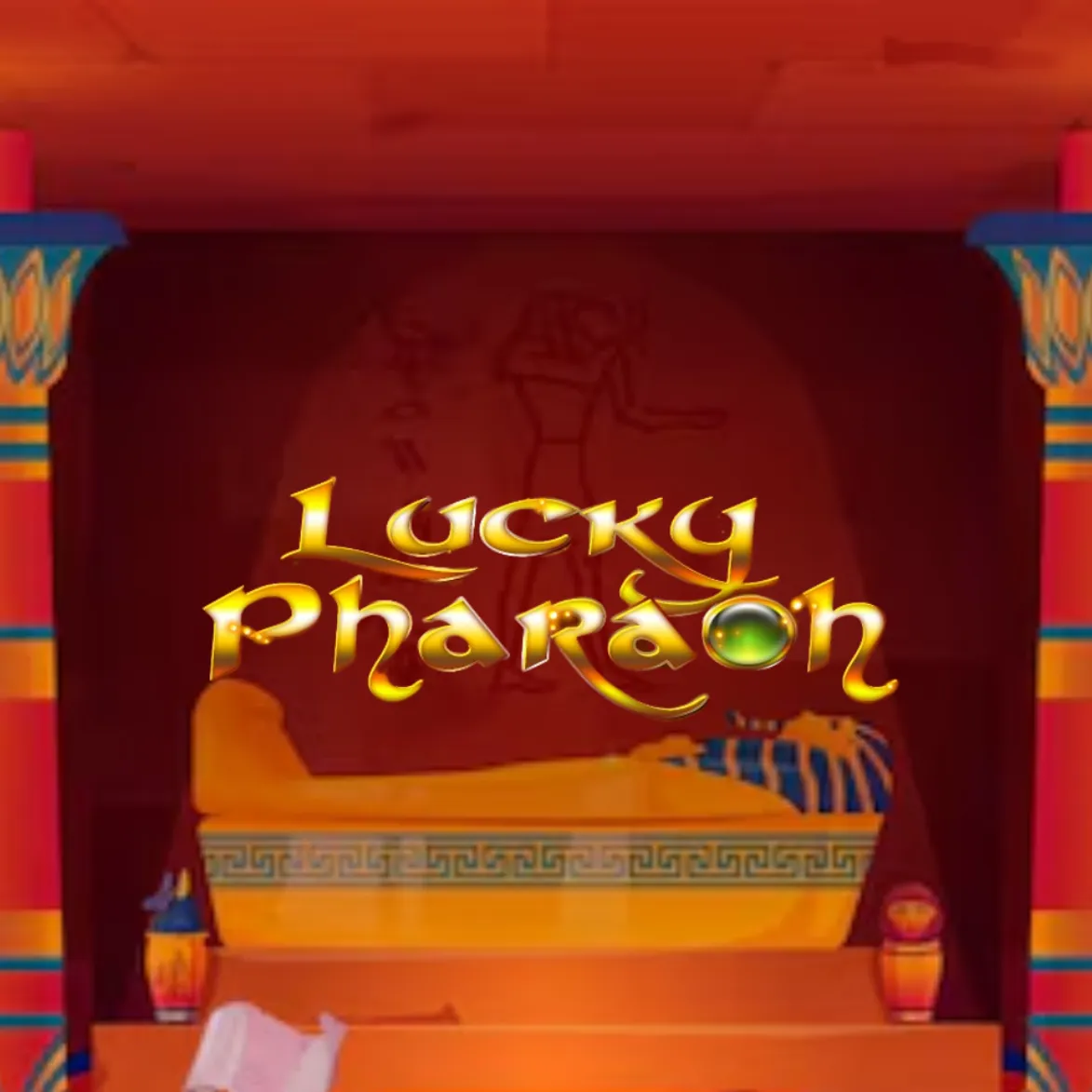
The Lucky Pharaoh Slot is a prime example in captivating theming, offering a full narrative escape. The Egyptian theme goes beyond a skin; it’s embedded into all elements of the game. The graphics are laden with hieroglyphic details, golden sands, and grand tomb interiors. The soundtrack uses evocative melodies and the satisfying clink of digital treasure. Every symbol tells part of a story, the scarab for rebirth, the Ankh for life, the pharaoh for authority and enigma. This cohesive storytelling whisks you, offering your thoughts a vacation from everyday concerns. It’s a form of active leisure that ignites the imagination. That’s a clear contrast to the sterile, often stressful environment of a medical waiting room. This powerful escapism is central to the game’s attraction, turning each round feel like a small adventure. Developers often expand on this theme in bonus features. You might have to open a pharaoh’s sarcophagus or decode hieroglyphs to find multipliers, rendering you an integral part of the story as opposed to just viewing it. This extent of devotion to the theme builds strong brand recognition and player retention, something a basic service queue never targets nor delivers.
Community
Waiting for a doctor can appear as a solitary experience, but both healthcare and gaming have vibrant communal elements. These days, enthusiasts of Lucky Pharaoh Slot often recount their experiences in online forums, social media groups, and on review sites. They rejoice in major victories, discuss strategies for bonus rounds, and connect over a shared love of the theme. This creates a sense of belonging and shared excitement. In a similar way, patients link through support groups and online communities to share experiences about healthcare waits and medical conditions. The tone of these communities is very different, though. One concentrates on mutual support through a tough time, the other on amplifying fun and shared enthusiasm. Both demonstrate our human need to connect over common ground, whether we’re dealing with life’s difficulties or its more playful moments. The gaming community often reaches to watching live streams of popular players, joining tournaments with leaderboards, and sharing screenshot “brags” from a successful bonus round. This social layer brings a competitive and collaborative dimension that makes the experience richer, turning a solo activity into a connected one, even if that connection is purely digital and focused on leisure.
Comprehending Slot Mechanics: Beyond Just a Spin

The Lucky Pharaoh Slot runs on clever mechanics built to be entertaining and fair. Its core employs Random Number Generators (RNGs). These are complex algorithms that ensure every spin’s outcome is completely independent and random, akin to shuffling a deck of cards. You’ll come across features like Wild symbols, frequently shown as the Pharaoh’s mask, which can act for other symbols to complete a winning line. Scatter symbols, perhaps the iconic Eye of Horus, usually trigger bonus rounds or free spins irrespective of where they land. Then appear the bonus games themselves. These might let you pick artefacts to discover instant prizes or guide you through a tomb to uncover multipliers. Grasping these parts makes the game less mysterious and aids you play with more awareness. A high RTP, often above 96% in well-regarded games, indicates a better theoretical return over a long period of play. Volatility characterizes the pattern of wins; high volatility means larger but less frequent payouts, while low volatility means more modest, more regular ones. These are not just jargon. They shape the rhythm of your session, deciding whether you’ll see lots of small wins or be going after less common, larger jackpots.
- Reels & Paylines: Typically 5 reels with various fixed or adjustable paylines where matching symbols land.
- RTP (Return to Player): A theoretical percentage indicating the long-term expected payback to players.
- Volatility: Describes the risk profile—high volatility means greater but less frequent wins, low volatility means smaller, more regular payouts.
- Bonus Features: Free spins, pick-me games, and expanding wilds that boost gameplay and winning potential.
- Bet Size Configuration: The capacity to adjust coin value and bet level per spin, allowing precise control over your stake.
NHS Waiting Areas A Reality of Contemporary Medicine
For many people in the UK, the way to medical advice involves a familiar routine. You call the GP surgery at exactly 8am, navigate automated messages, and are frequently informed it will be a number of weeks before you can get a routine appointment. This process, under pressure from huge pressure and shortage of funding, generates a scenario of waiting that is typically marked by worry. People find themselves managing minor illnesses on their own for extended periods, worried about adding to the burden, while more serious conditions could go unnoticed as quickly. The “queue” is both a digital and a physical line, a holding pattern that forces you to wait. It’s a common experience across the country, discussed in online forums and everyday conversations. Frontline staff work hard, but the systemic delays are a common feature of life in Britain now. This climate of waiting is wholly distinct from sectors created for instant action, where the next moment offers something definite and potentially rewarding. The length of the wait varies greatly by where you live, adding a regional lottery to an already stressful situation. Even the move towards digital triage with online forms, meant to make things more efficient, can sometimes pose another obstacle instead of simplifying access for everyone.
Step into the Lucky Pharaoh Slot: Instant Anticipation, Instant Action
If the medical queue instills patience, the Lucky Pharaoh Slot is all about immediate focus and immediate results. You don’t open the game into a crowded waiting area. You arrive on the sun-baked sands of ancient Egypt. Symbols like scarabs, pyramids, mysterious pharaohs, and golden artefacts appear with a promise of adventure. There’s no hold music. No estimated wait time. Just colorful graphics and a stirring soundtrack establishing the scene. One click or tap sets the reels spinning, and you have your outcome in seconds. This fast cycle of build-up, action, and result is a powerful kind of digital escape. It transforms waiting from a passive state into an engaging pursuit. Every spin is a fresh chance, a new little story that starts right away. The difference from the frustrating timelines of essential services could not be larger. The game’s interface is built for zero friction; you’re never more than a couple of clicks from the main action. This immediacy is key to its appeal. It offers a satisfyingly direct feedback loop that people now expect from their digital lives, whether they’re ordering a takeaway or starting a new TV series.
Responsible Gaming: Setting Your Own “Surgery Hours”
Just as we look after our health responsibly, playing games like the Lucky Pharaoh Slot demands a deliberate and disciplined approach. Responsible gaming is essential. View it as a leisure activity with clear personal boundaries, like creating your own “surgery hours” for fun. This means determining strict limits for both time and money before you even commence playing. Trustworthy UK platforms offer key tools to aid with this. Understanding how to use them is just as vital as understanding the game rules. It’s about managing things proactively, not having guilt afterwards. Establishing a deposit limit, for example, is a one-time action that blocks you from overspending in the moment. Time-outs can be employed after a planned session to force a cool-down period.
- Deposit Limits: Fixed maximum amounts you can deposit daily, weekly, or monthly.
- Time-Outs: The option to take a short break from gaming, from 24 hours to several weeks.
- Self-Exclusion: A longer-term block from an account, a vital tool for anyone who requires a significant break.
- Reality Checks: Regular pop-up notifications that tell you how long you’ve been playing.
- Loss Limits: A less frequent but effective tool that limits the amount you can lose in a set period.
- Transaction History: Quick access to full records of all deposits, bets, and withdrawals for complete transparency.
Availability and Ease: From Clinic to Couch
Availability is another major aspect where these two realms split. Attending a medical appointment involves travelling, taking time off work, and showing up in person. The Lucky Pharaoh Slot, however, is available 24 hours a day, seven days a week, from virtually any smartphone, tablet, or computer in the UK. This flexibility changes everything. You can play during a commute, on a lunch break, or from your sofa at home, converting spare minutes into a bit of adventure. You are not required to book ahead. There’s no fear of missing your slot. No travel costs. This on-demand model matches a wider shift in how we enjoy entertainment and even services. It places control squarely in the user’s hands, enabling for short bursts of fun that integrate into busy modern lives. It showcases a very different model to the scheduled, location-bound nature of traditional appointments. The game only requires a stable internet connection and an account with a licensed UK operator. That removes almost all geographical and time barriers. This easy access is in sharp contrast to healthcare, where your access can rely heavily on your postcode, your mobility, and whether you can get time off during the standard nine-to-five.
The Future of Online Interaction
Positioning a doctor’s appointment queue next to a digital slot game highlights a bigger trend: the shift towards instant, user-controlled experiences. We can see the NHS itself moving to use more digital tools, like video consultations and app-based booking systems, seeking to cut wait times and improve access. At the same time, the online gaming industry continues to innovate with better graphics, interactive bonus features, and even social multiplayer elements. The future suggests more personalisation and immediacy in both fields. Their core purposes will always be distinct, one essential for health and the other for leisure. But the public’s growing demand for efficient, engaging, and accessible digital interfaces is a common thread. Recognising this shift helps us navigate both our essential services and our chosen entertainments better in modern Britain. We might see more integration in design thinking. Healthcare apps could take cues from the engaging, user-friendly interfaces of popular games to improve how patients follow advice and feel about their care. Gaming will likely weave responsible play tools more seamlessly into the experience, making safety as intuitive as play. The direction for both is clear: reduce friction, give users more control, and use technology to meet modern demands for how services and engagement should work.